

Aug. 21, 2026
San Sebastián's Semana Grande: A Guide for Students
San Sebastián's Big Week: A Guide to Experiencing Aste Nagusia as a Student
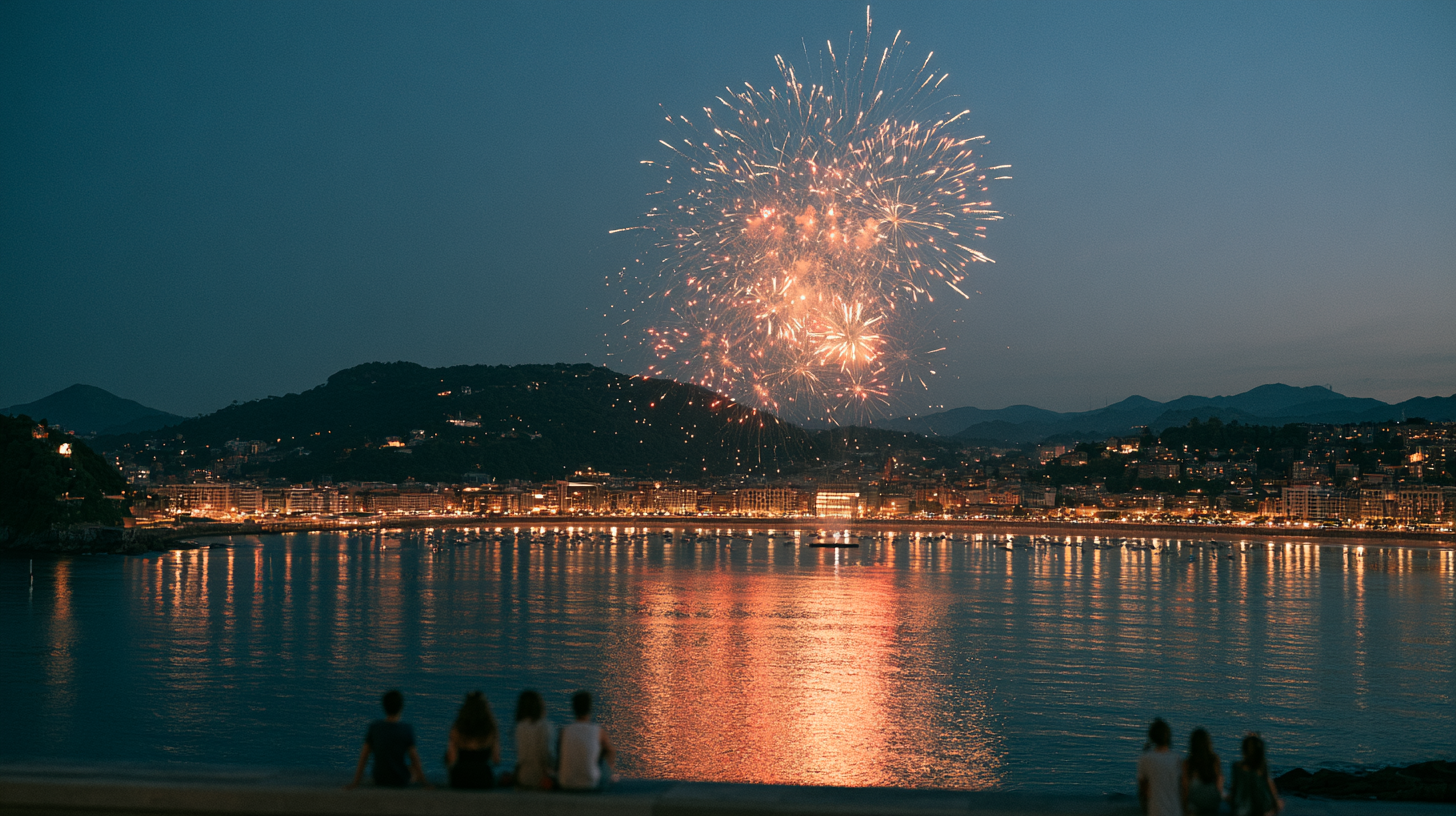
One day in August, La Concha Bay fills with colorful smoke, and the entire city stops to gaze at the sky. The next day, whether in summer school or at an internship, everyone is talking about the same thing: who saw the fireworks from Igueldo and who got stuck in Gros, unable to cross over. That’s what San Sebastián’s Semana Grande—or Aste Nagusia, as everyone in Donostia calls it—is all about. If you’re going to live in the city—whether as a student, a newcomer, or a lifelong resident—this week marks a turning point in your August calendar. Here’s what you need to know to enjoy it without missing a thing and without burning out by the second day.
What is Semana Grande (Aste Nagusia) and when is it celebrated?
La Semana Grande is San Sebastián's main festival. It takes place in August, centered around the feast day of the Virgin on the 15th, and traditionally kicks off on the Saturday closest to that date with the txupinazo from the city hall balcony. From that moment on, the city goes into party mode for an entire week.
The star of the show is Marijaia, the giant doll who presides over the opening ceremonies and who, at the end of the week, is “burned” in a symbolic funeral that brings the festivities to a close until the following year. In between: free concerts, txarangas parading through the streets, children’s activities, food everywhere, and the spectacle everyone looks forward to—the fireworks over the bay.
The exact dates change every year depending on the calendar, so it's a good idea to check the city council's official program as soon as it's published, usually in late July. Don't rely on what you "remember" from last year: the schedule changes slightly each year.
Plans You Can't Miss: Fireworks, Concerts, and Rowing Boats
The International Fireworks Competition is the highlight of the week. Every night, a different fireworks company sets off its display over La Concha Bay, and the entire city becomes a viewing area. The most popular spots are the Paseo Nuevo and Mount Igueldo, but they’re also the most crowded—so it’s best to arrive an hour early. Here’s an alternative that almost no one tells you about: Zurriola Beach, which is a bit farther from the center of the display but has far fewer people and plenty of room to sit on the sand.
The concerts are spread across various squares in the city—Plaza de la Trinidad and Plaza Zuloaga usually host a good portion of the free programming, along with the stages at each neighborhood’s txosnas. Check the lineup in advance because the best time slots (the ones that don’t overlap) fill up quickly through word of mouth.
During this time of year, it is also common for the bay to host rowing regattas and exhibitions featuring traineras, a deeply rooted tradition in Donostia. The major trainera event (the Bandera de la Concha) usually takes place in September, but it’s worth checking the Aste Nagusia schedule: some years include races or exhibitions during the festival week itself, and watching them from the promenade is free and a quintessential local experience.
How to Get Around Donostia During the Festivities: By Mugi or on Foot
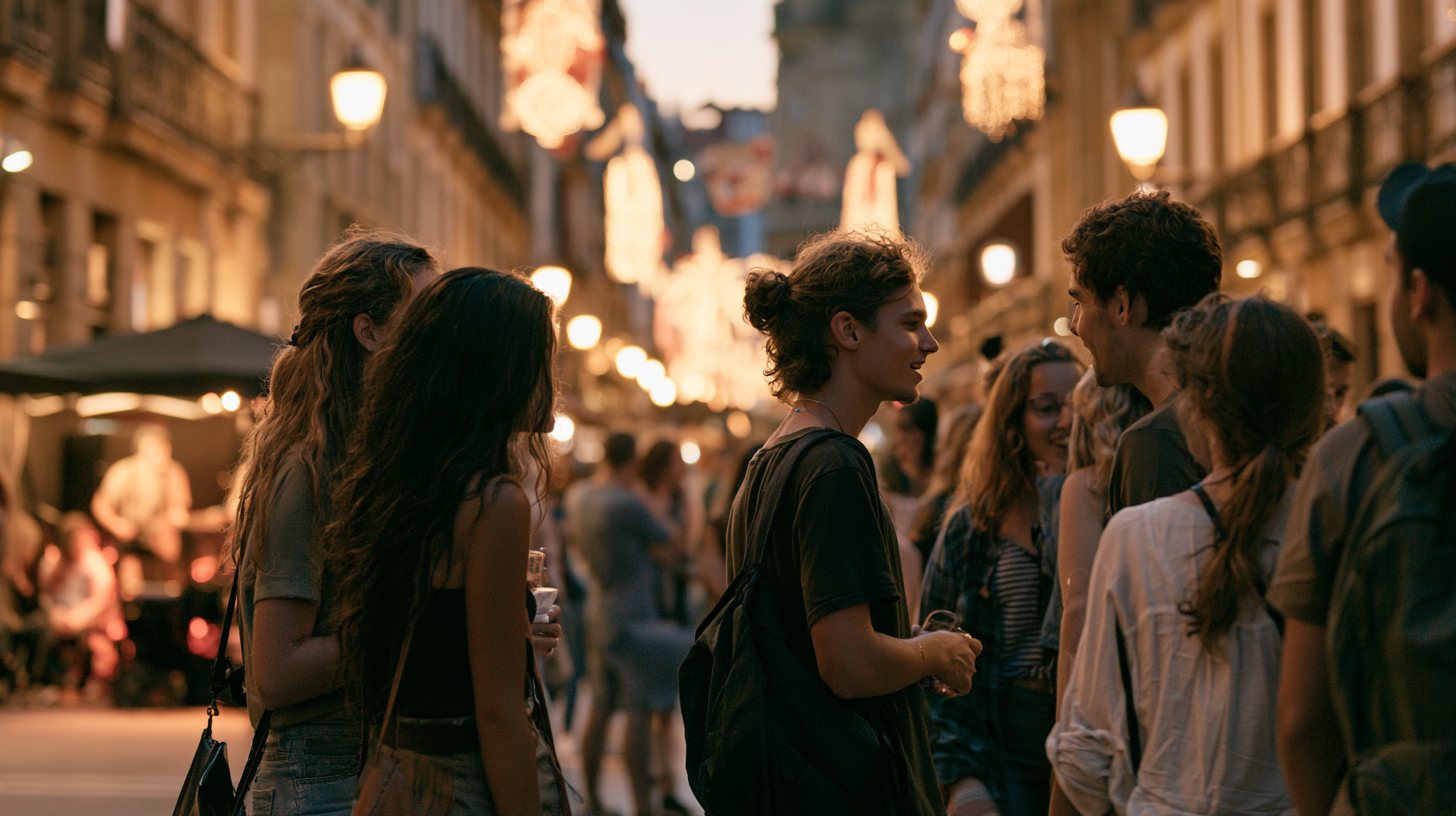
San Sebastián is small, and that works in your favor. From downtown to the Old Town, and from the Old Town to Gros, you can get almost anywhere on foot in twenty minutes. During Semana Grande, many streets in downtown are closed to traffic due to the crowds, so walking is usually faster than looking for parking—which is practically nonexistent on those days.
If you need to travel to more remote areas—or return in the early morning after the fireworks—the Mugi card is your best option for the Dbus city bus. You can recharge it at any tobacco shop or at the machines at bus stops, and it makes the fare significantly cheaper than paying with cash. On festival days, it’s a good idea to check the schedules for the “búhos nocturnos” (the early-morning buses), because they usually run more frequently but also fill up faster than usual.
Eating Out at Festivals Without Breaking the Bank: Tapas vs. Set Menu
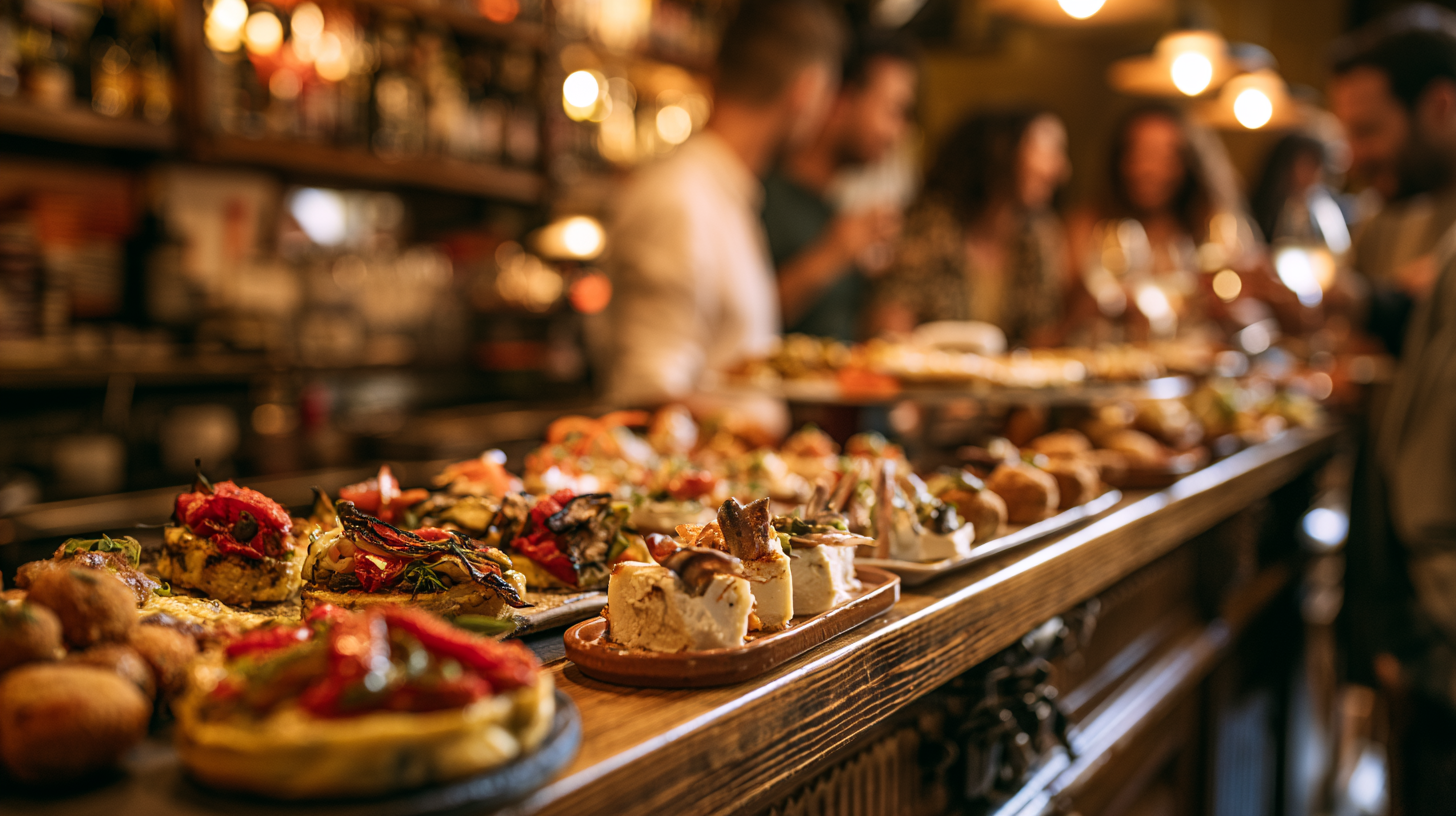
San Sebastián's food scene doesn't slow down during festivals, and that's where the danger lies for your wallet. A single pincho in the Old Town might seem cheap, but three or four rounds with their accompanying beers add up to more than it seems at first glance.
Here’s a tip from those who live here year-round: save the Old Town for a quick round of tapas with friends, then head to Gros or the Antiguo for the rest of the night, where prices are lower without compromising on quality. If you’re planning on having a full meal rather than just a few tapas, a daily special at any neighborhood bar is still the best value for your money, especially at lunchtime, when the party atmosphere hasn’t quite kicked in yet.
And to truly understand how this whole going-from-bar-to-bar thing works without overspending, you’ll find a detailed explanation of the whole concept of pintxopote in our guide on what pintxopote is and in which cities in the Basque Country it takes place: schedules, areas, and how to make the night last without breaking the bank.
Living Together in the Dorm During Semana Grande: Schedules, Free Time, and Guests
Living in a dorm during the big festivals comes with its own unwritten set of rules. Although August is usually a quiet time academically, you’re still neighbors 365 days a year, and that doesn’t change just because there are txarangas in the street.
Here are a few things that help make the week go well for everyone:
- Let us know if you'll be coming home in the early morning for several days in a row: you don't need to ask for permission, but a message to the group prevents any scares and unnecessary noise in the hallway.
- Respect others' rest times, especially if there are people in your residence who have exams coming up in September or morning work shifts.
- If you want to have guests stay over, check your residence hall's policies before inviting anyone over: each residence hall has its own rules, and it's better to know them in advance than to have to improvise at 3 a.m.
- Leave the common areas just as you found them. After a night of partying, the shared kitchen will appreciate it if you don’t turn it into the last remaining mess.
If you've just moved to the city, you'll want to check out our comprehensive guide for new residents starting school in San Sebastián, covering everything you need to know before the school year starts—including parties.
If crowds aren't your thing: Plan B for experiencing Semana Grande your way
Not everyone enjoys jostling with thousands of people, and that's perfectly fine. Donostia has plenty of options for experiencing the week at a different pace.
You can watch the fireworks from quieter spots, such as the Ondarreta promenade or one of the viewpoints in the Old Town, where there are fewer people but the view is almost the same. Mornings, before the hustle and bustle of the txosnas begins, are the best time to enjoy a quiet beach at La Concha or Zurriola. And if you’d rather escape the city for a day, nearby towns like Hondarribia or Getaria are just over half an hour away and offer a completely different pace of life—without making you miss out on the rest of the week in Donostia.
Experience Semana Grande from a residence in San Sebastián
The experience of Semana Grande varies quite a bit depending on where you stay. Having a room near downtown, with people to share the night with, and the peace of mind of being able to return without having to rely on a taxi at five in the morning makes all the difference between enjoying the week and just surviving it.
At the StepHouse San Sebastián residence , you’ll find everything you need: a location with easy access to downtown, a community of students to plan your nights out with, and spaces to relax when you need to. If you’re considering studying in San Sebastián next academic year, the Semana Grande is also a great way to get to know the city before deciding where to live for the rest of the year.
Frequently Asked Questions
Are "Semana Grande" and "Aste Nagusia" the same thing?
Yes. Aste Nagusia is the Basque name for the same festival, and in Donostia, both names are used interchangeably.
When is San Sebastián's Semana Grande celebrated?
It always takes place in August, around the 15th, usually starting on the Saturday closest to that date. The exact dates for each year are published in the city council’s official program.
Are there fireworks every day?
During the week, there are International Fireworks Competition shows almost every night, each organized by a different fireworks company. Be sure to check the schedule so you don't miss the one that interests you most.
Do I need the Mugi card if I'm going to get around on foot?
If you live near downtown, you might hardly ever use it. But if you're coming home in the early morning or traveling to outlying areas, having it loaded saves you time and money compared to paying cash on the bus.
Is Semana Grande expensive for a student?
It doesn't have to be that way. Alternating between the Old Town and Gros or the Antiguo, taking advantage of free concerts, and eating the daily special at lunchtime lets you enjoy the week without your bank account taking a hit.
Related publications
Would you like to read more?

Request information
Take a step toward
your new adventure
your new adventure