




February 24, 2026
5 tips to avoid feeling nervous before an exam
Feeling anxious before an exam is completely normal. In fact, every year thousands of students search Google for:
- how to relax before an exam
- how to calm down before an exam
- how to relax before an exam
- how to relax before an important exam
- feeling of not knowing anything before an exam
The key is not to eliminate nerves, but to learn how to manage them so that they work in your favor.
Here are 5 practical tips that really work.
Control your breathing (your nervous system depends on it)
If you are looking for how to relax before an exam, start with the basics: breathe correctly.
Try the 4–4–6 technique:
- Inhale for 4 seconds.
- Hold for 4 seconds
- Exhale for 6 seconds.
- Repeat for 2–3 minutes.
This pattern reduces physiological arousal and helps you calm down before an exam almost immediately.

The feeling of not knowing anything before an exam is normal.
One of the most common thoughts is the famous feeling of not knowing anything before an exam.
This happens because stress activates the amygdala and temporarily blocks access to information. But that doesn't mean you haven't studied it.
Try this test:
- Take a sheet of paper.
- Write down everything you remember without looking at your notes.
- Check back later
You'll be surprised by what you really know.
Your environment influences you more than you think.
Many students try to learn how to relax before an exam, but they forget something key: the place where they study and rest.
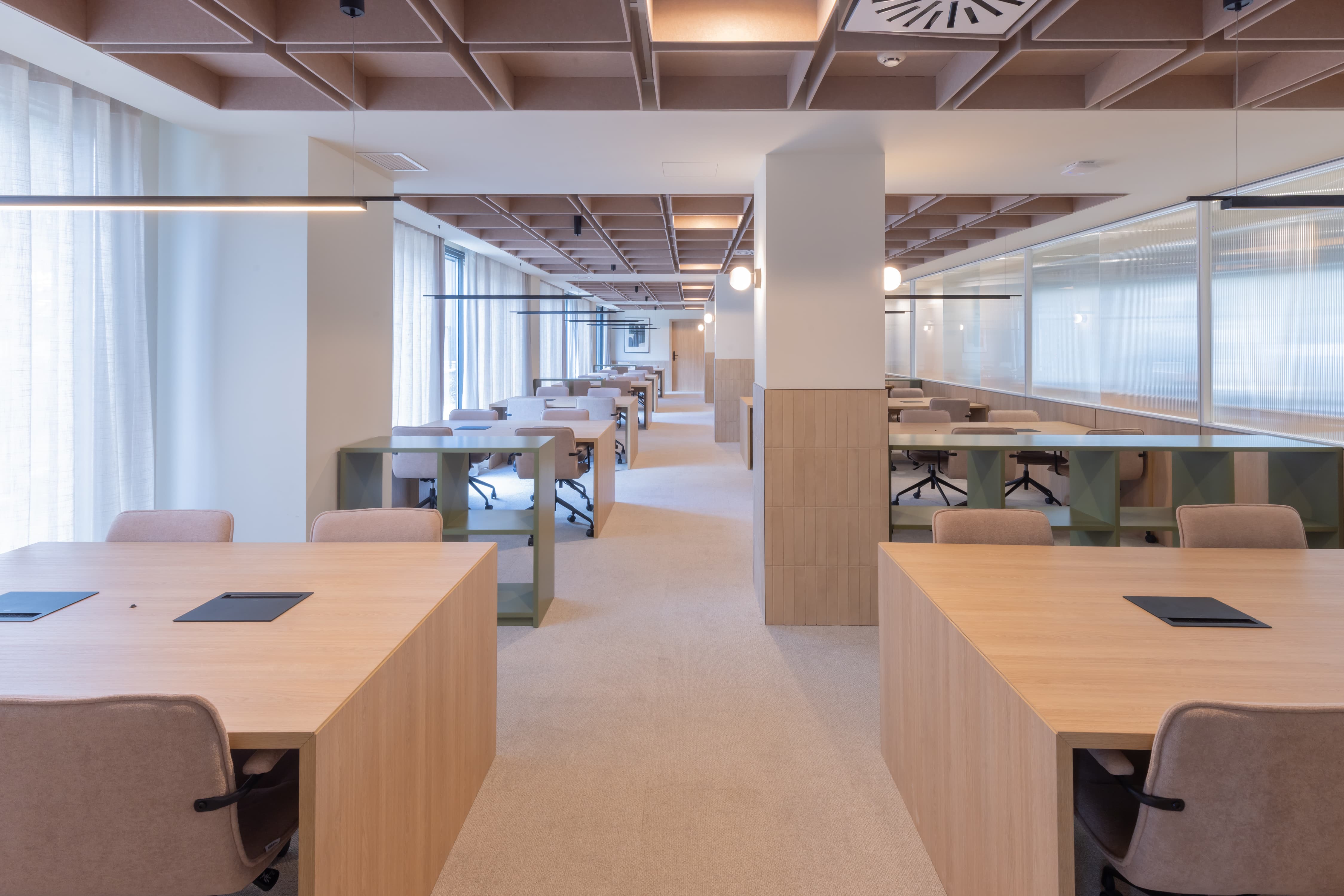
A tidy, quiet environment with specific areas for studying significantly reduces stress.
That's why living in a university residence designed for studying can make all the difference during exam season.
At StepHouse, the residences have study rooms, quiet spaces, and areas designed to promote concentration and academic performance.
When your environment supports you, it is much easier to to relax before an important exam.
Get some rest to calm down before an exam.
Poor sleep increases cortisol and worsens memory.
If you really want to know how to calm down before an exam, start by getting 7 to 8 hours of sleep the night before.
Accommodation designed for students facilitates rest: single rooms, quiet environments, and services that reduce daily worries.
Choosing a residence StepHouse residence avoids long commutes and added stress on key days.
Reducing external stress improves your internal performance.

Take a practice test to reduce anxiety.
One of the best techniques for relax before an important exam is to do real practice tests.
- Set a time limit
- Sit quietly.
- No cell phone
- Without interruptions
The more familiar the situation, the less anxiety it will cause.
Many students take advantage of their residence hall study rooms to create this simulated environment. Having 24/7 access to suitable spaces facilitates this practice.
You can see all the accommodation options designed for students at StepHouse.
ECTS Table – Study hours (academic context)
The university workload explains part of the previous stress:
| ECTS credits | Approximate total hours |
|---|---|
| 1 ECTS | 25–30 hours |
| 6 ECTS | 150–180 hours |
| 30 ECTS | 750–900 hours |
| 60 ECTS | 3:00 p.m. to 6:00 p.m. |
Understanding this helps to normalize the pressure and better organize your studies.
Mistakes that increase nerves before an exam
❌ Compulsively reviewing until the last minute
❌ Sleeping less than 6 hours
❌ Comparing yourself to other classmates
❌ Studying in chaotic environments
Anxiety is not combated with more pressure, but with strategy.
Frequently Asked Questions
How can you relax before an important exam?
Breathing in a controlled manner, sleeping well, and avoiding last-minute cramming.
How can I calm down before an exam if I am very nervous?
Take deep breaths for 3 minutes and write down what you know on a piece of paper to break the feeling of being stuck.
Is it normal to feel like you don't know anything before an exam?
Yes. It is a common effect of stress that temporarily blocks access to memory.
How can you relax before a university exam?
Preparing for practice tests, getting adequate rest, and studying in a structured and quiet environment.
Feeling nervous before an exam doesn't mean you're unprepared. It means you care.
Learning how to relax before an exam is not about eliminating anxiety, but managing it with practical techniques and a suitable environment.
Sleeping well, practicing drills, and studying in a space designed for performance can make a huge difference in your college experience.
Remember: performance depends not only on how much you study, but also on how you manage your energy and your environment.
Related publications
Would you like to read more?


Request information
Take a step toward
your new adventure
your new adventure