




July 14, 2026
How to Balance Work and School While Living in a College Dorm
Studying and working is now the norm
More and more students are combining their studies with work.
Whether it's because of:
- Financial need
- Professional Experience
- Internships or Dual Vocational Training
But there's a clear challenge: staying organized without sacrificing productivity or mental health
And here, the environment you live in makes a big difference.
1. Real-life profiles of working students
Not all cases are the same.
Most common situations:
- Part-time job
- Paid Internships
- Dual Vocational Training
- Weekend Work
Each one requires a different approach.
But they all have one thing in common: they need to make the most of their time.

2. Basic Framework: What You Need to Keep in Mind
Without getting into legal advice, it's important to know:
- You can work while you study
- You must adhere to class schedules and fulfill your academic responsibilities
- Internships may have specific requirements
Tip: Always review the terms of your contract or agreement.
3. Weekly Planning: Your Best Tool
Here's the key to it all.
Without planning, it's very difficult to keep up with both paces.
Recommended method:
- Fixed Study Blocks
- Fixed work schedules
- Scheduled breaks
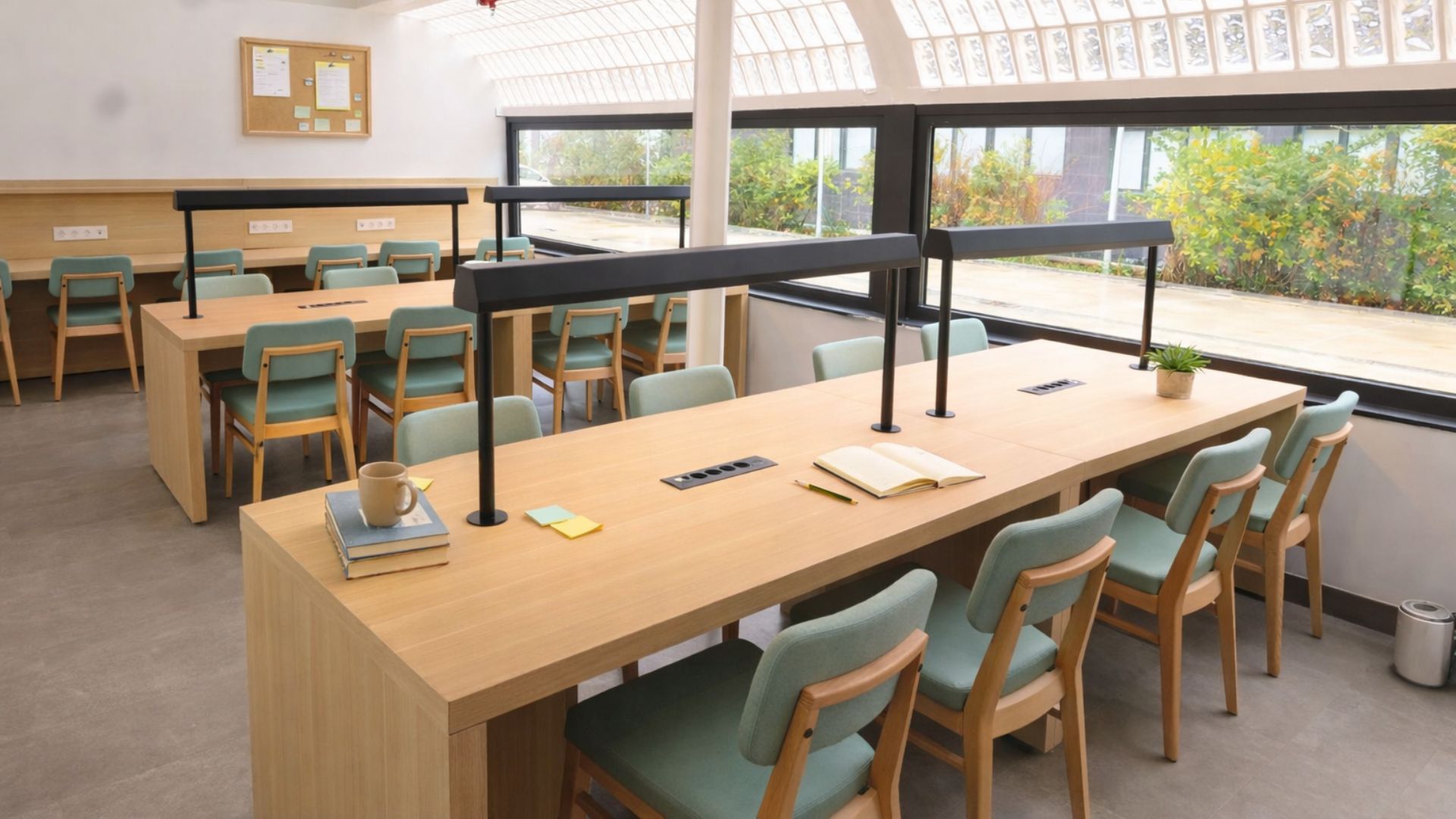
And something very important: having a suitable place to study
In residences such as Stephouse, you have access to study and coworking spaces designed to help you focus.
4. Sleep, Energy, and Limits
One of the most common mistakes is cutting back on rest.
But this takes its toll quickly:
- Low concentration
- More stress
- Lower performance
Key Points:
- Sleep 7–8 hours
- Avoid chaotic schedules
- Setting Boundaries with Coworkers
Your environment should help you, not hinder you.
In this regard, models such as Stephouse encourage more stable routines than a disorganized shared apartment.

5. Should you live in a residence hall or an apartment if you're working and studying?
Shared apartment:
- More unpredictable
- Possible distractions
- Fewer services
Address:
- Study areas
- Included services
- More stable routines
If you're short on time, staying at a residence is usually more efficient.
In models such as Stephouse, everything is designed to make it easier to balance study and work.
6. Practical Tips to Avoid Getting Burned
Quick Checklist:
- Plan your week every Sunday
- Prioritize important tasks
- Use suitable spaces for studying
- Get enough rest
- Avoid overloading yourself
Remember: it's not about doing more, but about doing it better.
Frequently Asked Questions
Is it possible to work and study at the same time?
Yes, but it requires organization and discipline.
How many hours is it recommended to work?
It depends, but usually a part-time schedule is the best balance.
In this case, is a residence or an apartment better?
Living in a residence hall usually makes it easier to stay organized and focused.
Can I work at night if I'm studying during the day?
Yes, but it can affect sleep and performance if it isn't managed properly.
Balancing work and school is a challenge… but also an opportunity.
It allows you to:
- Gain experience
- Become more independent
- Developing Discipline
Of course, you need an environment that keeps up with that pace.
Options such as Stephouse, with study spaces, services, and an organized community, can help you maintain a healthy balance.
Because in the end… it's not just about keeping up the pace, but about doing so in a sustainable way.
Related publications
Would you like to read more?



Request information
Take a step toward
your new adventure
your new adventure